Health and Safety Policy for Removal Companies Balham
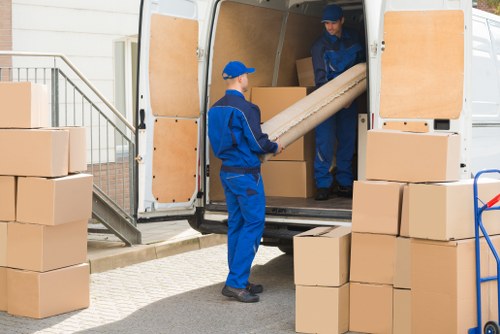 This health and safety policy sets out the standards expected from removal companies in Balham when carrying out domestic and commercial moving services. Its purpose is to protect employees, customers, visitors, and members of the public from avoidable harm during packing, lifting, loading, transport, and unloading operations. We are committed to working in a safe, controlled, and compliant manner at every stage of a move.
Our approach is based on prevention, planning, and continuous monitoring. Every move is assessed for potential hazards before work begins, and risks are reduced through careful preparation, suitable equipment, and clear communication. All staff are expected to follow safe working practices, report concerns promptly, and contribute to a culture where safety takes priority over speed.
 The company recognises that removal work can involve heavy lifting, awkward access routes, fragile items, traffic exposure, and time pressure. For that reason, each job is planned with appropriate controls in place. These controls may include route assessments, manual handling checks, protective materials, designated loading areas, and supervision where needed.
Responsibilities and Standards
Management is responsible for making sure that operations are organised safely and that workers receive the training, instruction, and equipment needed to do their jobs properly. Employees must take reasonable care of themselves and others, follow safe systems of work, and use equipment only for its intended purpose. Every team member has a duty to speak up if a condition appears unsafe.
We expect all personnel involved in Balham removal services to maintain professional behaviour, wear suitable personal protective equipment where required, and remain alert to changing conditions. This includes being aware of narrow staircases, wet surfaces, poor lighting, unstable loads, parked vehicles, and the presence of children, pets, or bystanders.
 Training is provided to ensure that staff understand safe lifting techniques, correct loading procedures, hazard awareness, and emergency response expectations. Refresher training is carried out when necessary, particularly when new equipment, vehicles, or work practices are introduced. Competence is monitored to make sure standards remain consistent across all assignments.
Risk Assessment and Safe Systems of Work
Before any move begins, a suitable and sufficient risk assessment is completed. This assessment considers the size and weight of items, access and exit points, floor conditions, weather, vehicle positioning, time constraints, and any special requirements relating to high-value or delicate possessions. Where a risk cannot be removed entirely, it is reduced as far as is reasonably practicable.
Safe systems of work are followed throughout the operation. Team lifting is used for heavier or awkward items, trolleys and carrying aids are employed where appropriate, and pathways are kept clear to prevent trips and collisions. If an item is too large or unstable to move safely by hand, alternative methods are arranged before work continues.
We also ensure that loading and unloading are carried out in a controlled sequence. Heavier items are secured first, fragile goods are packed and marked correctly, and loads are balanced to prevent shifting during transport. Vehicles are checked for roadworthiness and equipped with the necessary restraint systems to reduce the risk of movement in transit.
Equipment, Vehicles, and Working Environment
All equipment used by removal companies must be suitable, well maintained, and inspected regularly. This includes dollies, straps, blankets, ramps, gloves, and lifting tools. Defective equipment is removed from service immediately and reported for repair or replacement. Nothing is used unless it is safe and fit for purpose.
Vehicle safety is also an essential part of this policy. Drivers must operate within road regulations, perform pre-use checks, and ensure cargo is properly restrained before departure. Parking and manoeuvring are planned carefully to reduce risks to pedestrians, other road users, and property. Wherever possible, vehicle access is chosen to minimise unnecessary movement of goods over long distances.
Environmental conditions are monitored as part of the job. Wet weather, poor visibility, heat, or icy surfaces can increase the chance of injury or damage. When conditions become unsafe, work is paused or adapted. Temporary lighting, extra staffing, or revised handling methods may be introduced to maintain a safe working environment.
Incident Reporting and Emergency Procedures
 Any accident, near miss, injury, or unsafe condition must be reported as soon as possible. Prompt reporting allows the company to investigate what happened, take corrective action, and prevent recurrence. Records are kept so that trends can be reviewed and improvements made where necessary.
In the event of an emergency, staff must remain calm, follow instructions, and protect the safety of everyone involved. First aid support is made available where required, and emergency services are contacted without delay if the situation warrants it. Evacuation routes, assembly points, and communication procedures are understood in advance by relevant personnel.
Where damage to property occurs, the incident is documented and handled professionally. The focus remains on safety, honesty, and timely resolution. No work will continue in an area that presents an immediate danger until the risk has been brought under control.
Review and Continuous Improvement
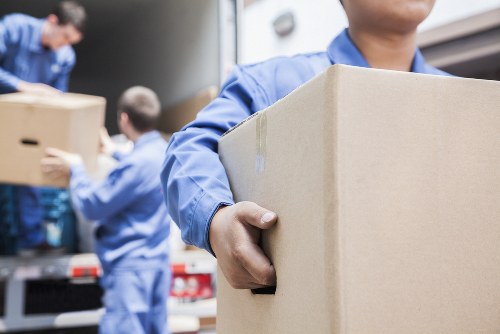 This policy is reviewed regularly to ensure it remains effective, relevant, and aligned with current safe working practices. Feedback from inspections, audits, and incident investigations is used to strengthen procedures and improve performance. We believe that a strong health and safety policy for Balham removals supports reliable service, better outcomes, and greater confidence for everyone involved.
Safety is not treated as a separate task; it is part of the way work is planned and delivered every day. By maintaining high standards, communicating clearly, and responding quickly to risk, removal companies in Balham can protect people, property, and reputation while delivering efficient and responsible moving services.
Compliance with this policy is mandatory. All workers and managers are expected to support its aims and uphold its standards at all times.