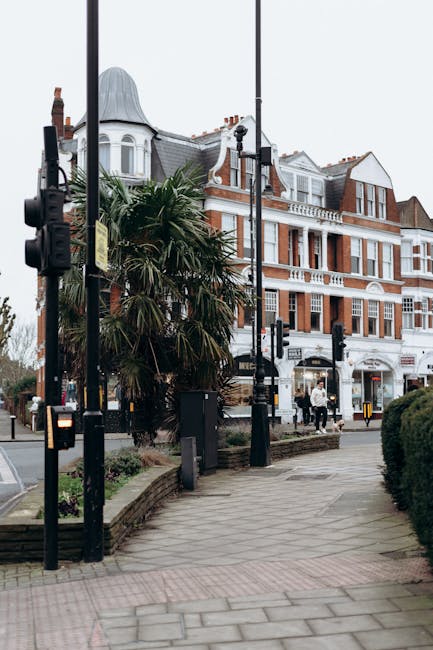
Balham removals for Bedford Hill homes and narrow streets
Moving home in Balham can feel straightforward on paper, then suddenly very different once you are standing on Bedford Hill with a sofa, a van, and not much room to breathe. That is the real challenge with Balham removals for Bedford Hill homes and narrow streets: tight access, parked cars, stair-heavy properties, shared entrances, and the general London move-day shuffle. If you are relocating from a flat, a terraced house, or a top-floor conversion, the right plan makes a huge difference. The good news? With the right preparation, the move can be calm, efficient, and surprisingly uneventful. And honestly, uneventful is exactly what you want on moving day.
This guide breaks down how local removals work in this part of Balham, what to expect on narrow streets, how to avoid common mistakes, and which service options suit different types of home moves. You will also find a practical checklist, a comparison table, and a few lived-in tips that tend to matter more than people realise until the first box hits the hallway.
Table of Contents
- Why this kind of move matters
- How the move works step by step
- Key benefits and practical advantages
- Who this is for and when it makes sense
- Step-by-step guidance
- Expert tips for better results
- Common mistakes to avoid
- Tools, resources and recommendations
- Law, compliance, standards and best practice
- Options, methods, and comparison table
- Case study or real-world example
- Practical checklist
- Conclusion
- Frequently asked questions
Why Balham removals for Bedford Hill homes and narrow streets Matters
Bedford Hill has a mix of housing types that can make a simple removal feel a bit more technical than average. There may be limited roadside space, busy traffic at certain times of day, awkward turning angles, short front gardens, or front doors that open straight onto the pavement. Add in basement flats, upper-floor conversions, and staircases that seem designed by someone with a sense of humour, and the need for careful planning becomes obvious.
What matters most is not just moving boxes from one address to another. It is getting the vehicle positioned safely, protecting the property, keeping neighbours in mind, and making sure bulky items can pass through the home without damage. In areas like this, small decisions have a big effect. For example, choosing a man and van setup may be perfect for a lighter move, while a fuller house move may need a larger team and a properly sized vehicle.
There is also the simple reality of time. Narrow streets can slow loading and unloading if access is not planned well. If you are not thinking ahead, ten minutes can become forty, and everyone ends up standing around looking at a wardrobe that will not quite pivot. Not ideal.
Local knowledge helps because it shapes everything from van choice to timing. Early morning loading may be easier on some streets. A smaller vehicle may be the smarter option if parking is tight. And if you are moving from a top-floor flat, a flat removals service can be far more practical than trying to force a generic approach onto a property that clearly needs something more tailored.
How Balham removals for Bedford Hill homes and narrow streets Works
A well-run removal in this part of Balham usually begins with a proper access check. That means looking at the street width, parking situation, number of stairs, entry points, lift access if there is one, and whether large items need disassembly. A removal that works in a wide suburban road may not work at all here without adjustments.
Once the access picture is clear, the move is usually planned around the most efficient vehicle and team size. For smaller homes or compact loads, a removal van can be enough. For larger households or mixed furniture loads, a bigger option such as removal truck hire or a broader removal services package may be more appropriate.
Packing is another major part of the process. Boxes should be sealed properly, fragile items should be cushioned, and furniture should be wrapped before it reaches the van. Good packing is boring in the best way. Nothing dramatic happens. Nothing breaks. Everyone is happier.
On the day itself, the crew normally works in a simple sequence:
- Arrive and assess access again in case anything has changed.
- Protect floors, door frames, and any tight corners.
- Load larger items first so the van space is used properly.
- Stack boxes by room or priority to make unpacking easier.
- Transport everything carefully, then unload with the new layout in mind.
If your move involves a lot of furniture or a few awkward items, you may also need specialist handling. A piano, for instance, is a very different proposition from a chest of drawers, which is why some moves benefit from piano removals or dedicated furniture support such as furniture removals.
Key Benefits and Practical Advantages
The biggest advantage of a locally informed removal is not glamorous. It is control. You reduce guesswork, and when you reduce guesswork, you usually reduce damage, delays, and stress. That sounds obvious, but plenty of moves go wrong because people hope the day will simply "work itself out". It rarely does.
Here are the practical benefits that matter most:
- Better access planning: Narrow roads, limited parking, and awkward entries are managed before the lorry arrives.
- Less risk of damage: Proper equipment and careful loading protect furniture, walls, and stair rails.
- Faster loading and unloading: A sensible sequence saves time in busy streets.
- More suitable vehicle choice: Smaller or larger transport can be matched to the property and street layout.
- Lower stress for residents and neighbours: Cleaner, quicker moves tend to create less disruption.
There is a quieter benefit too. A well-organised move simply feels better. You are not improvising at the kerb with a mattress half in the rain and someone asking where the kettle went. You are following a plan, and that changes the whole tone of the day.
For some households, the real value is flexibility. If you need help at short notice, the ability to arrange same-day removals can be a lifesaver, especially when tenancy dates slip or completion timings shift. For others, storing items temporarily is the smarter move, and storage can help bridge the gap between properties without forcing everything into one rushed day.
Who This Is For and When It Makes Sense
This kind of move is relevant to a pretty wide range of people, but it is especially useful if any of these sound familiar:
- You live on or near Bedford Hill and parking is always tight.
- Your home is a flat, conversion, maisonette, or terraced house with narrow access.
- You have large furniture that needs careful handling through stairs or tight halls.
- You are moving on a fixed date and want the day to run to time.
- You need a local team that understands how London streets actually behave, not how they look on a map.
Students moving in or out of rented accommodation are often a good fit for smaller, more agile support. A student removals option can be especially useful when the load is modest but the timing is awkward. Likewise, people moving a handful of items, not a whole house, may prefer man with van style support because it keeps things simple and cost-conscious.
If you are relocating a household with children, pets, or elderly relatives, the move becomes less about volume and more about rhythm. You need the day to feel calm. You need boxes where they should be, and you need a mover who does not treat your hallway like a race track. Truth be told, that calm matters more than most people admit.
Commercial users should also think locally. Small offices, studios, and shared workspaces near Balham may need a staged approach, and office removals or broader commercial moves are often best handled with access and timing in mind rather than raw vehicle size alone.
Step-by-Step Guidance
If you want the move to feel manageable, break it into stages. That is the trick. Not exciting, but effective.
1. Walk the access route
Before move day, check the path from property to vehicle. Look at front steps, shared hallways, tight landings, and any parked cars that could block the entrance. If there is a lift, note its size and whether it can realistically take your furniture. A quick, honest review now avoids panicked decision-making later.
2. Match the vehicle to the street
Do not assume the largest van is the best option. On a narrow Balham street, a smaller vehicle may park faster and reduce disruption. For a light-to-medium move, a man with a van or man with van service may be enough. For bigger loads, you may need a fuller transport setup.
3. Pack by room, then by priority
Label each box with the room and a short note such as "open first" or "fragile". It sounds obvious, but it saves a lot of faff at the other end. Keep essentials together: chargers, tea, important documents, medication, toiletries, and a change of clothes. The first night is easier when you can find a mug without searching through five identical boxes.
4. Disassemble what should be disassembled
Large beds, wardrobes, and bulky tables often travel better in pieces. If you are not sure whether to take something apart, think about the route, not just the object. A narrow stairwell may decide for you. Some customers also choose packing and boxes or even packing and unpacking services to cut the stress and reduce breakage risk.
5. Plan loading order
Heavy items should usually go in first, with boxes stacked securely around them. Fragile items need to stay protected from shifting load. If there is an awkward item that must go on last, make sure the crew has a clear plan for it. This is where a little coordination pays off in a big way.
6. Keep the arrival side ready
At the new home, rooms should be cleared enough for the main furniture to land without blocking every doorway. If you can, place signs on the doors. Simple little things help a lot. You will notice the difference by lunchtime.
Expert Tips for Better Results
Here are a few practical tips that tend to make a real difference on Bedford Hill and similar streets:
- Move bulky items early in the day if traffic is likely to build up. A quieter street is just easier to work in.
- Protect both ends of the move with floor coverings, blankets, and edge protection. One scuffed wall can spoil an otherwise smooth day.
- Use shorter, stronger packing runs instead of leaving all the heavy lifting for one heroic burst. Heroic bursts are overrated.
- Keep one person in charge of decisions so instructions do not come from five directions at once.
- Photograph room layouts before disassembly if you think reassembly will be fiddly later.
- Separate valuables and essentials from the main load. Carry them yourself if possible.
One small but useful habit is to create a "no second-guessing" box. Put in the things you know you will need immediately, and label it clearly. It avoids that late-evening rummage when everyone is tired and somebody is muttering about where the phone charger went.
It can also help to think about removal support in layers. Some homes only need transport. Others need a fuller package, especially if the move includes difficult furniture, tight staircases, or timing pressure. If you are leaning that way, looking at home moves or a broader removals approach may be more sensible than piecing everything together yourself.
Common Mistakes to Avoid
A lot of removal stress comes from predictable mistakes. Avoiding them is half the battle.
- Booking the wrong vehicle size. Too small creates multiple trips; too large can be awkward on narrow streets.
- Underestimating stair access. A sofa that looks fine in the lounge may be a nightmare on the stairwell.
- Packing too late. Last-minute packing leads to damaged items and forgotten essentials.
- Ignoring parking reality. If the van cannot stop close enough, the whole day slows down.
- Failing to check the weather. A wet afternoon in London changes the mood quickly.
- Leaving special items until the end. Pianos, antiques, and large mirrors should be planned, not improvised.
Another common issue is assuming all removal quotes include the same level of service. Some do not. Some include packing materials, some do not. Some will handle dismantling, some expect you to have already done it. It is worth checking the details early, even if it feels a bit tedious. Better that than surprise charges on the day.
For payment, policies, and what you can reasonably expect from a provider, it is smart to review the company's published information first. Pages such as pricing and quotes, payment and security, and terms and conditions can help set expectations before you commit.
Tools, Resources and Recommendations
You do not need a warehouse of equipment to move well, but a few simple tools make the day easier:
- Sturdy boxes: Prefer uniform sizes where possible; they stack better.
- Packing tape and labels: Basic, but absolutely essential.
- Furniture blankets: Helpful for protecting wood, glass, and paintwork.
- Bubble wrap or paper wrap: Good for fragile items and awkward corners.
- Straps and trolleys: Make lifting safer and more controlled.
- Black marker: A moving-day hero, quietly doing its job.
Some moves are easier if you combine services. For instance, a household with large wardrobes may benefit from house removals support rather than transport only. A small number of oversized furniture items might be better handled with furniture pick up or furniture removals depending on the scale of the job.
If you are moving out of a flat, the distinction between basic transport and a more complete service matters. In practical terms, that could mean using flat removals for the whole move, or a smaller removal van if you are keeping the load modest and compact. There is no one perfect answer, which is slightly annoying, but also useful because it gives you options.
Expert summary: For Bedford Hill homes, the best results usually come from matching the vehicle size, access plan, and packing effort to the street rather than treating every move the same. That one decision often decides whether the day feels smooth or messy.
Law, Compliance, Standards, or Best Practice
For a home move in London, the practical side of compliance is mostly about safety, property care, and responsible working rather than complicated legal jargon. A reputable removal provider should have sensible processes for handling belongings, protecting property, and managing risks on stairs, pavements, and narrow roads. That is the kind of thing you want to see in a real-world moving setup.
Best practice usually includes:
- careful lifting to reduce injury risk;
- clear communication about access and timing;
- appropriate vehicle loading so items do not shift in transit;
- protective materials for floors and furniture;
- transparent policies on payment, security, and insurance;
- respect for neighbours, shared spaces, and access routes.
If you want reassurance about how a company handles risk, it is reasonable to review its insurance and safety information and its health and safety policy. Those pages help you understand how the business thinks about the job, not just how it sells the job. That distinction matters.
For customers who care about more than the move itself, sustainability can also be part of the decision. Reuse, recycling, and sensible disposal all play a role when unwanted furniture or packaging is involved. If that matters to you, look at recycling and sustainability to see how the company approaches those issues.
Options, Methods, or Comparison Table
Different move types suit different access conditions. The right choice often depends on space, volume, and how much help you want on the day.
| Option | Best for | Strengths | Watch-outs |
|---|---|---|---|
| Man with van | Small to medium moves, flexible access | Agile, practical, often cost-conscious | May not suit large homes or heavy loads |
| Removal van | Compact household moves and flat moves | Easier in narrow streets, simpler parking | Limited space if you overpack the job |
| Removal truck hire | Bigger house moves and fuller loads | More capacity, fewer trips | Can be harder on narrow Bedford Hill access |
| Full removal services | Moves needing packing, loading, transport, and unloading | Less stress, more coordination | Needs more detailed planning and clearer expectations |
If your move is simple, smaller, and quick, a van-based option can be ideal. If your property is larger or the furniture is awkward, a broader move package is often the calmer choice. A move that looks cheaper on paper can become more expensive in time, effort, and damaged stuff. That is the quiet catch.
Case Study or Real-World Example
Consider a typical Bedford Hill flat move. Two adults, one bedroom, a small dining table, a sofa, several boxes, and a narrow shared staircase. The first instinct might be to hire a large vehicle and hope for the best. But after a proper access check, it becomes clear that the street is tight and parking is restricted for much of the day.
So the move is adjusted. The team uses a smaller vehicle that can stop closer to the property. Fragile items are packed in clearly marked boxes. The table legs are removed before loading. The sofa is wrapped and taken down the stairs with extra care at the turning point. Not flashy. Just sensible.
The move finishes in one trip, there is no damage to the hallway walls, and the new flat is set up by mid-afternoon. That is the sort of outcome people want but do not always plan for. A better question than "how much will it cost?" is often "what does this street actually require?"
For a different example, imagine a family house move where the old property has a narrow entry hall and the new one has a tight side access. In that case, a house removalists approach may make more sense than simply booking transport. The service can be shaped around the route, not just the destination.
Practical Checklist
Use this checklist a few days before the move, and again on the morning itself if needed.
- Confirm the moving date, arrival time, and contact details.
- Check parking and access at both addresses.
- Measure large furniture against stairways and doorways.
- Pack essentials separately for the first night.
- Label all boxes by room and priority.
- Disassemble anything awkward in advance where possible.
- Protect floors, corners, and delicate surfaces.
- Keep valuables and documents with you.
- Review the provider's service details, pricing, and policies.
- Plan for storage if completion or handover timing is uncertain.
Practical takeaway: the less you leave to chance, the less you need luck. And luck, frankly, is not a moving strategy.
Conclusion
Balham removals for Bedford Hill homes and narrow streets work best when you respect the realities of the area. Tight access, busy roads, shared entrances, and awkward staircases are not problems to ignore; they are the conditions you plan around. Once you do that, the whole process becomes much easier to control.
Whether you need a compact van move, a full household relocation, or support with packing and storage, the smartest approach is always the same: match the service to the property, the street, and the timing. That is what keeps the day calm. That is what keeps damage low. And that is what helps you walk into the new place with a bit of energy left.
If you are comparing options, start with the basics and work outward. A clear quote, a sensible access plan, and the right type of help will usually beat a rushed decision every time.
Get a free quote today and see how much you can save.
And once the last box is in, the kettle is on, and the street noise fades a little, you will feel it: the move is done, and it was manageable after all.
Frequently Asked Questions
What makes Bedford Hill removals different from a standard London move?
Bedford Hill often involves tighter access, more parked cars, and property layouts that are less forgiving than a wider suburban street. That means planning matters more. Vehicle choice, loading order, and timing all become a bigger deal than they would elsewhere.
Is a man and van service enough for a Bedford Hill flat move?
Often, yes, especially if you are moving a one-bedroom flat or a smaller load. A man and van or man with a van setup can be a practical fit when access is tight and the item count is modest.
How do I know if I need a larger removal truck?
If you have multiple large furniture items, a lot of boxed contents, or a full family home to clear, a larger vehicle may save time by reducing trips. The key is to consider both volume and street access. Bigger is not always better on a narrow road.
What should I do if parking outside my home is limited?
Check in advance how close the vehicle can realistically stop and whether loading will need to happen in stages. It helps to speak to your mover about the street layout, because sometimes a smaller vehicle is simply the cleaner solution.
Can removals teams handle stairs and awkward entrances?
Yes, provided they know about them beforehand. Stairs, tight turns, and narrow halls are normal in Balham and similar areas. The important part is honest communication before moving day so the team can bring the right approach and equipment.
Should I use packing services as well as removals?
If you are short on time, worried about breakages, or moving fragile items, packing help can be very worthwhile. A combined service can make the day much smoother and reduce the risk of badly packed boxes causing trouble later.
Is storage useful if my move dates do not line up?
Absolutely. If there is a gap between leaving one property and entering the next, storage can take the pressure off. It is especially helpful when completion dates shift or keys are delayed, which happens more often than people like.
How far in advance should I book a removal in Balham?
As early as you can, especially for weekends, month-end dates, or school-holiday periods. Busy local routes and limited access can make scheduling more competitive, so early booking gives you more choice.
What if I need to move at short notice?
Short-notice moves are sometimes possible, depending on availability. In those cases, services like same-day removals may be useful, though it is still worth explaining the access conditions clearly so nothing is rushed or overlooked.
Are specialist services needed for large or fragile furniture?
Sometimes, yes. Items like pianos, large mirrors, antique cabinets, or very heavy wardrobes may need extra care or specialist handling. It is better to flag them early than to hope they will fit into a standard plan somehow. They usually do not.
What should I check before accepting a removal quote?
Check what is included, what is excluded, whether packing materials are covered, how access issues are handled, and what the payment terms are. It is also sensible to review the company's pricing and quotes page along with its safety and policy information.
How can I make a narrow-street move less stressful?
Keep the load organised, reduce clutter before moving day, label boxes clearly, and make sure the mover knows about access constraints in advance. A narrow street does not have to mean a difficult day. It just means the plan needs to be sharper.
What is the most common mistake people make on Bedford Hill moves?
The most common one is underestimating access. People often focus on the size of the home and forget the street, the parking, the stairwell, or the route from the front door to the van. In this part of Balham, access is half the move.
Where can I learn more about the company before booking?
You can read about the team on the about us page and review practical details such as insurance and safety, health and safety, and contact options before you decide.